


Contact Us
Home Retrofit Hub
Cut greenhouse gas emissions at home
Heating and powering homes can be a major source of household emissions, especially when a home uses natural gas, propane, or oil for space and water heating. In Canada, buildings are a leading source of greenhouse gas emissions, ranking third after oil and gas and transportation when electricity-related emissions are included. (Natural Resources Canada)
Use this page to choose a starting point, learn which upgrades usually cut emissions the most, and find current rebates and funding.
Find your next step
Choose the option that best matches your situation:
- I heat with natural gas, propane, or oil (biggest emissions cuts)
- I heat with electricity or wood (reduce energy use and improve comfort)
- I'm renovating (I want to do it once and do it right)
- I want help finding rebates and funding
- I want climate-ready actions (flooding or wildfire)
- I want local learning (Green Home Tour)
Upgrades that usually cut the most emissions
If your goal is to reduce your home's emissions, these upgrades often have the biggest impact:
- Switch fossil-fuel heating to a heat pump (often the largest impact for many homes using oil, propane, or natural gas)
- Reduce heating demand first with air sealing and insulation
- Upgrade water heating when your current system is near end-of-life
Space and water heating are major drivers of building energy use and emissions in Canada. (Natural Resources Canada)
I heat with natural gas, propane, or oil
This is often the best place to start if you want the biggest emissions reductions.
What to do next
- Start with air sealing and insulation to reduce how much heat your home needs.
- Plan for your heating system replacement. For example, consider a cold-climate heat pump when your furnace or boiler is due.
- Check rebates before you start. Program rules and required steps can change.
- If fully replacing your heating system with a heat pump and removing your gas furnace or electric baseboards, check with your town or township to ensure your heating system can adequately heat your home without a secondary heat source.
Common upgrades that can help in this path
- Air sealing (draft reduction)
- Insulation (attic, basement, and other areas where feasible)
- Smart thermostat or better controls
- Heat pump (heating and cooling)
- Heat pump water heater (where suitable)
I heat with electricity or wood
Even if your home isn't using fossil fuel for heating, you can still cut energy use and improve comfort.
What to do next
- Air seal and insulate first (often the best value).
- Improve controls (programmable or smart thermostat where compatible).
- Switch to LEDs and choose efficient appliances when replacing older units.
I'm renovating (I want to do it once and do it right)
Renovation time can be the easiest time to reduce emissions long-term.
What to do next
- Plan your "envelope" work first (air sealing + insulation).
- Coordinate heating and water-heating upgrades if your equipment is near end-of-life.
- Check rebates before work starts, so you don't miss required steps.
Renovation priorities that often reduce emissions
- Attic insulation and air sealing
- Basement/crawlspace insulation where feasible
- Heating and cooling upgrades (heat pumps)
- Water heating upgrades
- Windows/doors (best when replacement is needed; air sealing and insulation are often earlier priorities)
I want help finding rebates and funding
Rebate amounts and eligibility can change. Always confirm current requirements with the program provider before you start work.
Take the rebates and funding quiz
Ontario programs (check current details)
- Home Renovation Savings (Save on Energy + Enbridge)
- Energy Affordability Program (income-eligible support)
- Better Homes Huntsville (if you live in Huntsville, you can apply for low-cost loans to help cover upfront costs of energy efficiency renovations)
- Get Paid to Charge your EV at Home (get a free Level 2 charger)
Common upgrades (quick overview)
Below is the breakdown of common upgrades that can be done to your home.
Air sealing
Seal gaps around windows, doors, vents, and other openings to reduce drafts and heating demand.
Insulation
Upgrading insulation, often in attics and basements, can reduce heat loss and improve comfort.
Heat pumps
Heat pumps move heat rather than creating it by burning fuel. They can reduce emissions, especially when replacing oil, propane, or natural gas heating.
Smart thermostats and controls
Better controls can reduce heating when you don't need it.
LED lighting
LEDs reduce electricity use and last longer than older bulb types.
Appliances (when replacing)
When an older appliance is due for replacement, choosing a more efficient model can reduce electricity use.
Windows and doors (when replacement is needed)
Replacement can improve comfort when units are failing or very drafty.
ENERGY STAR qualified windows and doors (Canada) (Natural Resources Canada)
Solar panels and battery storage
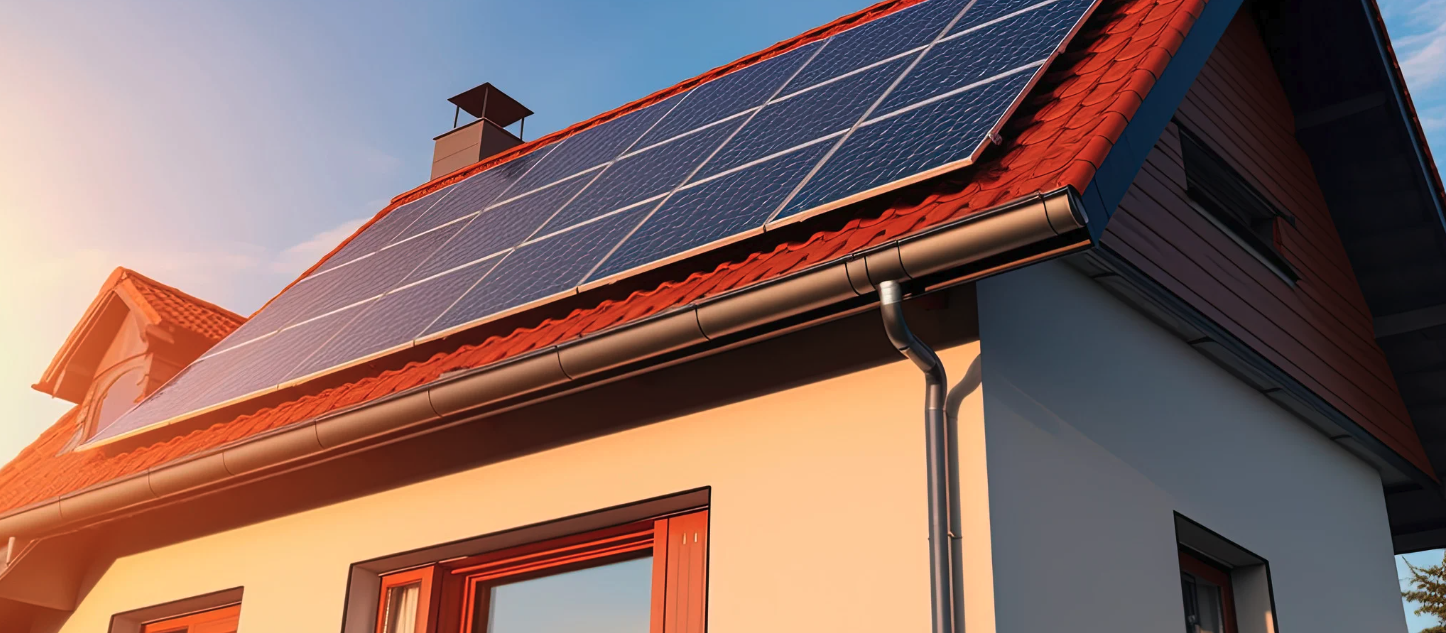
Solar can reduce grid electricity use and increase energy independence. Connection requirements vary and building permits may be required if installing rooftop solar.
Learn about net metering and connection requirements:
- Lakeland Power (Bracebridge and Huntsville)
- Elexicon (Gravenhurst)
- Hydro One (rest of Muskoka)
I want climate-ready actions (flooding or wildfire)
Many energy upgrades, like insulation and air sealing, also improve comfort during extreme temperatures. You can also take steps to reduce damage risk from flooding and wildfire.
Flood readiness (quick checklist)
- Clear eavestroughs and downspouts
- Check for leaks around appliances and drains
- Test your sump pump (if you have one)
- Keep floor drains clear
Flood readiness upgrades (more ways to reduce risk)
- Extend downspouts away from the foundation (where feasible)
- Store valuables in watertight bins and off the basement floor
- Consider options like a backwater valve or backup sump pump (use qualified professionals)
- Reduce stormwater with rain barrels or rain gardens
Wildfire readiness (quick checklist)
- Remove debris from eavestroughs, patios, balconies, and around structures
- Move woodpiles away from buildings (where feasible)
- Prune trees and reduce dense vegetation close to structures
Wildfire readiness upgrades (more ways to reduce risk)
- Replace worn weather stripping on doors
- Reduce combustible materials close to buildings where appropriate
- For major replacements, consider more fire-resistant materials (use qualified professionals)
Waterfront property and shorelines
Waterfront and shoreline actions are covered on our Natural Edge shoreline program page.
Natural Edge shoreline program
Contact us
Not sure where to start, or looking for local events and education?
Email us about home retrofits and climate actions
Subscribe to Climate Corner newsletter

Engaging Muskoka in Climate Action: Building Awareness and Inspiring Action
Climate action starts with awareness, education, and collaboration. The District of Muskoka delivers public education programs, outreach initiatives, and partnerships to help residents, businesses, and organizations take meaningful steps toward a more sustainable future. By working together, we can reduce waste, protect our lakes and forests, cut emissions, and build a greener Muskoka for future generations.
We’re Engaging the Community Through:
| 1. Protecting Our Natural Environment |
Muskoka’s lakes, forests, and ecosystems are at the heart of our community. Through education and engagement, we’re encouraging:
|
| 2. Community Engagement & Partnerships |
|
The District works with local organizations, schools, and businesses to promote climate education and action:
|
| 3. Reducing Greenhouse Gas Emissions |
|
Education and outreach efforts focus on helping residents and businesses reduce their carbon footprint:
|
Join us! Events Happening Across Muskoka:
The District of Muskoka hosts and participates in community events, workshops, and pop-up education booths to help residents learn about climate action, energy efficiency, waste reduction, and protecting our natural environment.
Upcoming Events:
| No current events scheduled |
|
|
Explore Muskoka’s Other Climate Initiatives: Muskoka’s Climate Strategy: How It All Fits Together
Want to learn more about Muskoka's climate, environment, and watershed initiatives and programs? Send us an email!
Stay Updated & Take Action!
Want to stay informed about local climate initiatives, tips and resources?
Subscribe to our Climate Corner newsletter at: www.muskoka.on.ca/subscribe