




The 3 P's - Pee, Poo and Toilet Paper
Wastewater treatment equipment is designed for the 3 P’s – pee, poo and toilet paper.
Items like fats, oils, greases, feminine hygiene products, and wipes of any kind should never be flushed down the toilet or poured down a drain, whether on municipal service or private septic. Flushing these items causes equipment to fail, poses a health and safety risk to staff and the environment – and can put your home at risk of sewage back-ups.
What is a Fatberg?
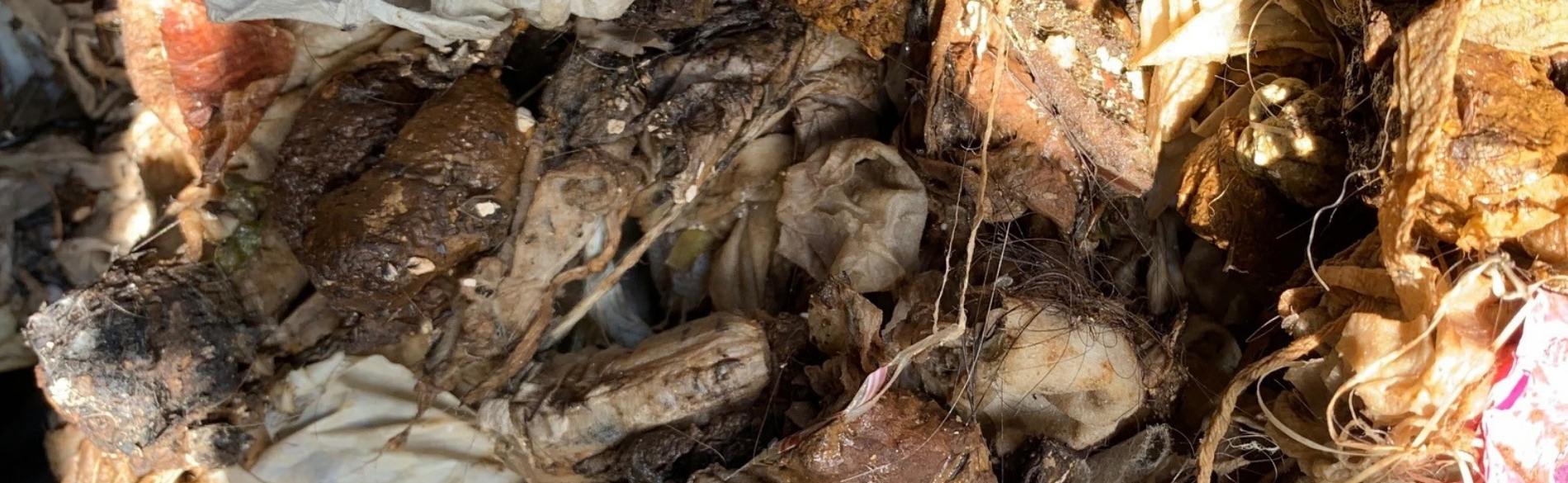
Fatbergs are large masses that can form in your home and in Muskoka’s wastewater pipes and pumps. They are made of fats, oils and grease (also known as FOG) that have been improperly disposed of down the drain and have cooled and hardened in the pipes and pumps. When fats, oils and grease combine with things like wipes and feminine products that have been improperly flushed, the fatberg grows into a giant mass.
Fatbergs stick to the sides of pipes and slowly grow, as more waste sticks and hardens to the fatberg. Small amounts of FOG from several households can cause problems, and if left undetected, a fatberg can completely block wastewater flow. This can cause sewer backups into homes or businesses and lead to service disruptions, expensive repairs for property owners and damage to essential District infrastructure our community relies on every day.
The problems
When people flush or pour items other than toilet paper and the 3 P’s, there are three main problems that occur:
- Sewage back-ups: Wastewater treatment infrastructure is designed for the 3 P’s only. Most items not intended for the sanitary sewer may cause a blockage of the sewer, most likely in your own plumbing, simply due to size, mass, or the inability to break down.
- Environmental impacts: Many liquids other than water or the 3 P’s, as well as chemicals may have serious environmental impacts on our lakes and streams in terms of water quality. This is because the treatment process is not designed for them.
- Failed equipment: Flushing items other than toilet paper and human waste causes wastewater treatment equipment to fail, posing a health and safety risk to staff.
Here are some tips to avoid blockages in your pipes due to fats, oil and grease:
- Before washing your dishes, scrape grease, fat and cooking oil into your green bin. If you aren’t in the organics collection area, soak up small amounts of excess liquid grease with paper towels or pour into a container and let solidify, and place in your garbage bag.
- Frying up some chicken wings and fries at a backyard BBQ? Put the cooled waste oil back in the container and bring it to the your nearest Household Hazardous Waste event for proper disposal.
- Use a sink basket or strainer to help prevent food residues from going down the drain.
- The District does not permit the use of garburators. They do not stop grease from going down the drain and shredded food waste can create blockages in pipes and pumps.
- Find out what goes where by visiting www.muskokarecycles.ca or use the Waste Wizard on our Muskoka Recycles mobile app.
| What can I flush? |
| Wastewater treatment equipment is designed for the 3 P’s – pee, poo and toilet paper. |
| The Unflushables |
There is no such thing as a “flushable wipe" and residents should only flush the three Ps – pee, poo and toilet paper. The following items will cause blockages. Don’t flush them, even though they seem small and will go down your toilet or drain.
|
| Wipes clog pipes! |
|
Poducts that say they’re flushable – like wipes – may make it down your toilet, but they might not make it through the sewer. There are currently no regulations to specify which products can be labelled “flushable”. Always put wipes in the trash (including wipes labelled “compostable” or “biodegradable”).
Clogged pipes can cause:
|